
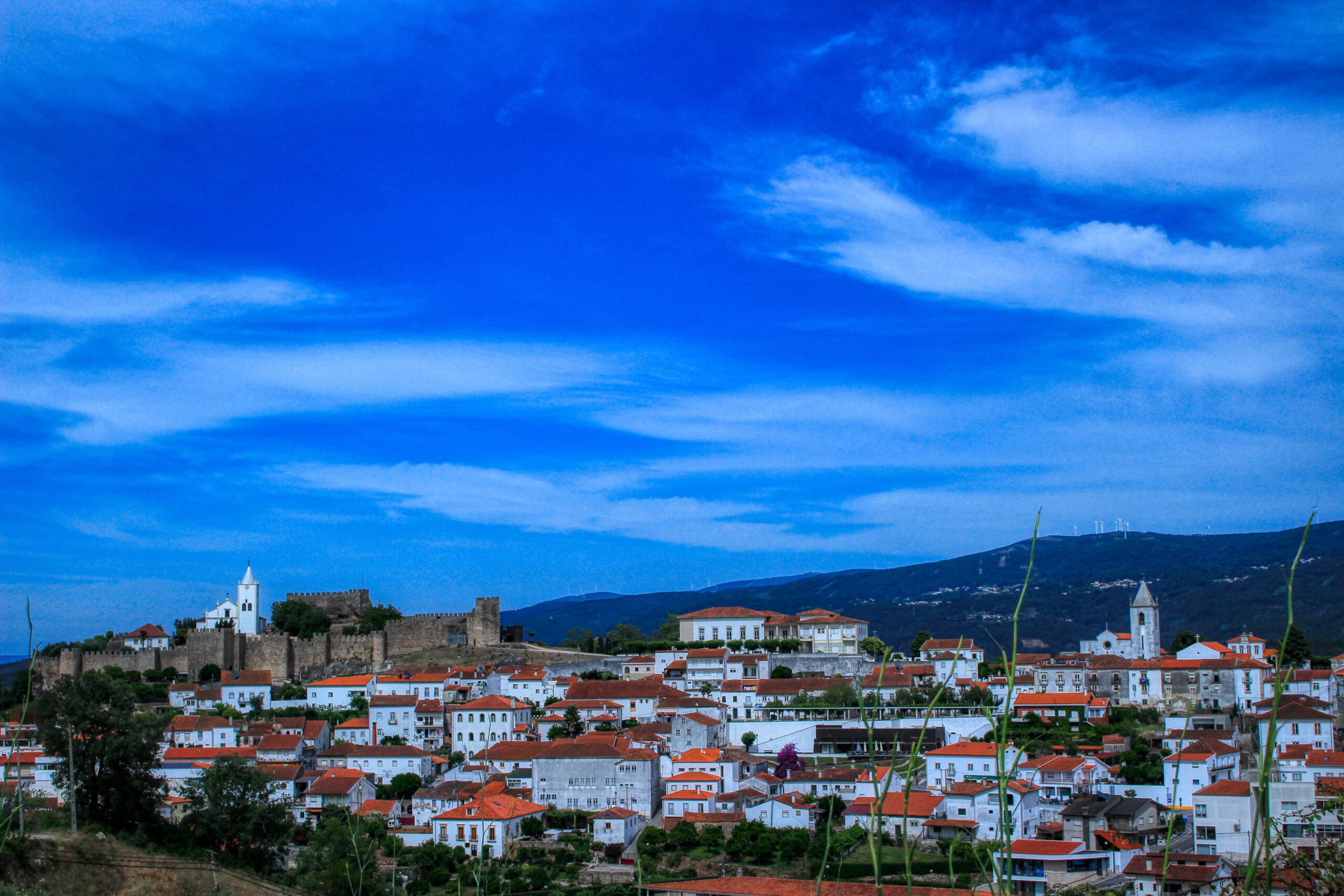
Nestled in central Portugal’s Coimbra district, Penela is a historic village renowned for its medieval castle, lush landscapes, and proximity to the Schist Villages Network. With a population of 5,400 inhabitants —40% active, aging, and facing low education/entrepreneurial levels—Penela has embraced a bold strategy through its Director Program for Innovation, Competitiveness, and Entrepreneurship (DP-ICE). This vision, “Local resources to service innovation, innovation in the service of local resources,” drives sustainable development via three pillars: boosting the rural economy, fostering education/innovation, and valorizing territorial assets. Collaborations with regional networks (e.g., ENoLL network) and EU programs position Penela as a model for rural resilience.
KEY PROJECTS & FOCUS AREAS
As a Startup Village, Penela aims to revitalize its rural economy by fostering innovation in sustainable tourism, digital transformation, and circular economy. As a low-density territory, the municipality leverages its cultural heritage and natural resources to attract entrepreneurs, remote workers, and eco-conscious initiatives. Key objectives include continue to support the ecosystem for startups, promoting circular bioeconomy practices, and enhancing rural resilience through tech-driven solutions.
ONGOING EFFORTS & ACTIONS
- Smart Rural ecosystem: Manages DP-ICE, supports startups and entrepreneurs, mentorship, and manages business incubators (Mini-HABITAT, smARTES and HIESE).
- Tourism & Heritage: Promotion of tourism to attract new investors, Schist Villages Network integration, and Roman archeological sites and museum.
- Healthcare & Mobility: Preventive medicine center promoted by a national ONG, promoting new routes and schedules to link Penela to Coimbra and viceversa.
- EU Collaborations: Participation in Interreg SustForest+ (resin sector strategy), and H2020 ROSIA (telehealth).
LOCAL IMPACT
- Job Creation: 50+ direct jobs in tourism (hotel, Schist Villages), healthcare, and startups.
- Youth Retention: «Penela Young» incentives and Education Gala reduced outmigration aligned with the Smart Rural strategy to retain talent that wants to start their own business but remains a huge problem for the territory.
- Economic Growth: Industrial Park expansion (12+ new companies) and more than 50 business projects supported in the HIESE incubator since the opening.
- Sustainability: 20% carbon reduction through renewables, reforestation, and agroecology training.

- Aging population (above national average) and low educational attainment hinder workforce development.
- Bureaucratic delays in accessing EU funds and seasonal tourism volatility.
- Balancing modernization with heritage preservation in community planning.
- Limited high-speed internet connection in remote areas hinders tech adoption and the possibility to attract remote workers.
- Leveraging EU Green Deal funds for carbon-neutral projects (e.g., agri-waste biofuels).
- Expanding wellness tourism (Roman heritage, Sicó/Lousã mountain trails).
- HIESE business incubator: the future to retain more talent and entrepreneurs to foster local economic development.
- The proximity to good medical centers in the region and the reduced living costs aligned with the quality of life in rural areas are a beacon to attract more inhabitants.
EU/Regional: ENoLL, Interreg, PROVERE, ADXTUR schist villages network.
- Academic: University of Coimbra, Pedro Nunes Institute, Polytechnic Institute of Coimbra.
Private Sector: HIESE startups, SME’s of Penela, Terras de Sicó development agency and NEP local SME’s association.
- Carbon Neutrality by 2030: Solar farms, forest management, and zero-waste agro-processing.
- Circular Bioeconomy: Community composting, resin sector revival (SustForest+).
- Resilient Tourism: Eco-certified trails, low-impact accommodations, and cultural preservation.

There are no territories doomed to failure, believe it’s the first step to make it happen!

